Small Things, Long Memory: The Case for Protecting the Tiny Merch That Actually Sticks
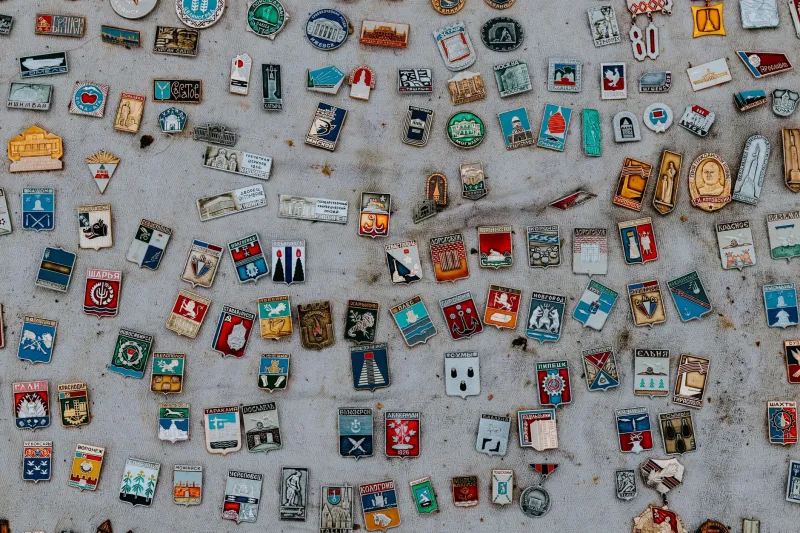
On my desk, there is a twelve-dollar enamel pin. It is slightly scratched, the backing has been replaced twice, and it has survived three moves, two lost jobs, and one very ill-advised haircut. In the same drawer, there is a hundred-and-twenty-dollar hoodie I bought at a creator pop-up. The hoodie is soft. It is also pilled under the arms, faded at the cuffs, and permanently associated with a season of my life I would rather not relive in high definition.
The pin wins. Not because it was cheaper, and not because I am some minimalist who has figured out the secret to a perfect closet. The pin wins because small merch has a different job than big merch. The hoodie was supposed to be worn. The pin was supposed to remember.
At Jacqueline Hodge Shop, we sell branded products and fan collectibles, so yes, we have a stake in this conversation. But the honest version is that the most meaningful piece of fandom merch in most people's lives is often the smallest thing they own. A pin. A sticker. A keychain. A ticket stub folded into a wallet and forgotten until laundry day. These are not the headline purchases. They are the ones that stay.
The Hoodie Problem
Expensive apparel has a rough life. It gets washed. It gets worn to the grocery store. It gets stretched over a chair and forgotten. It absorbs sweat, rain, and the occasional coffee accident. The more you love it, the faster you wear it out. That is the cruel math of everyday armor: the pieces you reach for most are the pieces that leave first.
A hoodie also carries a weird kind of pressure. You paid a lot for it, so you feel like you have to wear it. You feel like you have to justify the purchase. Then it becomes a chore. Then it becomes a guilt object. Then it lives in the back of the closet while you quietly avoid eye contact with it.
Small merch does not have that problem. A pin does not need to be washed. A sticker does not care if you gained ten pounds. A keychain does not judge you for wearing the same jeans three days in a row. Small merch asks almost nothing of you, which is exactly why it survives.
Why the Tiny Stuff Sticks
There is a practical reason small collectibles last longer. They are handled less roughly. They are stored more carefully. They are less likely to be lost in a laundry basket or destroyed by a dryer sheet. But the emotional reason is stronger: small items are easier to attach to a specific memory.
A pin from a first convention. A sticker from a creator's early shop era. A keychain bought at a meetup in a city you have not visited since. A ticket stub from a night that felt enormous at the time. These objects are small enough to keep in a drawer, a wallet, a jewelry box, or a pencil cup. They do not demand a display case. They just quietly exist until you pick them up and remember.
Fans talk about this all the time, though usually not in those words. Ask someone about their favorite hoodie and they will tell you how it fits. Ask someone about their favorite pin and they will tell you a story. That is the difference. Clothing is a uniform. Small merch is a receipt of a moment.
Protect the Small Stuff Like It Matters
The good news is that protecting tiny merch is cheaper than protecting apparel. The bad news is that most people do not bother until the pin is lost or the sticker is peeling off a laptop that is about to be traded in.
Start with the basics. If a pin matters, use locking pin backs. They cost almost nothing and prevent the slow, tragic rotation that ends with a pin on a subway platform. Keep pins out of direct sun if the colors are important to you. Do not store them loose in a bag with keys unless you enjoy scratches. For ticket stubs, use an archival sleeve or a simple photo album pocket. For stickers you cannot bear to lose, do not peel them. A sticker still on its backing is a collectible. A sticker on a water bottle is a memory with a countdown.
Display does not have to mean a museum wall. A small pin board near a desk works. A shadow box with one ticket stub and one pin works. A rotation system works: keep a few pieces out, store the rest, switch them out when you want a different version of your room. The goal is not to turn your home into a gift shop. The goal is to let the small things be visible enough that they do not disappear into a junk drawer.
The Heirloom Test
Here is the question I use when I am deciding whether to keep a tiny piece long term: could someone who was not there understand why it matters?
That does not mean every pin needs a museum label. It means the object should be able to carry a story. If you can write two sentences about where it came from and why you kept it, it has a better chance of surviving a move, a cleaning spree, or a future version of you who is trying to declutter. If you cannot remember anything about it, it is probably just clutter with a cool design.
For the pieces that pass the test, add a little provenance. A tiny card in the storage box. A note in your phone. The creator's name, the event, the year, the reason. Future you will not remember everything. Future you will be grateful for the help.
Passing small merch on is easier than passing on a hoodie, too. A pin takes up no space. A ticket stub fits in an envelope. A keychain can be handed across a table. They are the kinds of objects that can move between people without feeling like a burden.
The Real Heirloom
The twelve-dollar pin on my desk is not valuable in the way a collector's item is valuable. It is not rare. It is not mint. It is not going to fund a retirement account. It is valuable because it is small enough to keep and specific enough to remember.
The hundred-and-twenty-dollar hoodie was not a mistake. I wore it. I loved it. It did its job. But the pin did a different job. It stayed.
So buy the hoodie if you will actually wear it. Buy the jacket if it makes you feel like the version of yourself you want to be. But do not sleep on the tiny stuff. The pin, the sticker, the keychain, the ticket stub—those are the pieces that quietly become the real archive. They are not the consolation prize. They are the receipt of the moment.