Dead Weight in the Drawer: How to Let Go of Creator Merch That No Longer Fits Who You Are
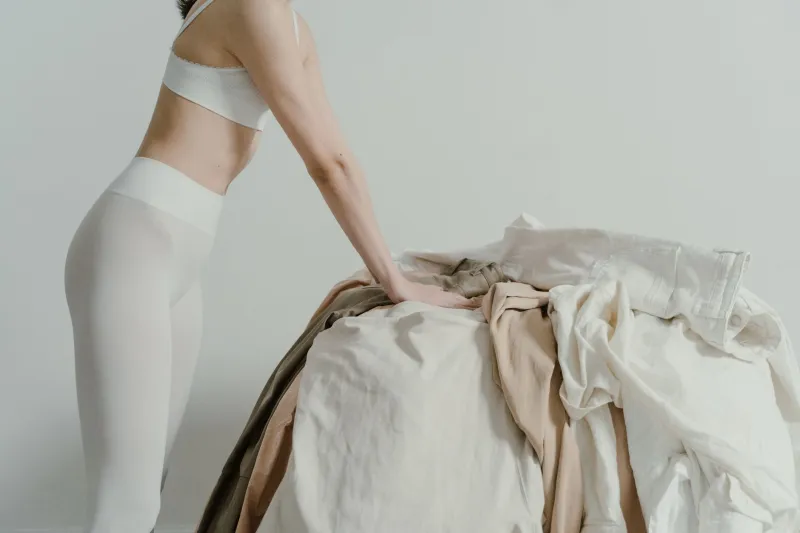
There's a specific kind of awkward that comes from opening your closet and finding a tote bag from a creator you haven't watched in three years. Or a crewneck with a slogan that made total sense at the time but now just feels... off. Maybe the design aged badly. Maybe the creator did. Maybe you did — and you're not the same person who clicked "add to cart" during that midnight drop back in 2021.
Whatever the reason, most dedicated fans eventually hit a wall where a chunk of their merch collection stops feeling like them. And yet, getting rid of it feels weirdly complicated. Like you're betraying something. Like you're erasing a version of yourself you're not sure you're ready to delete.
Here's the thing though: holding onto stuff that doesn't resonate anymore doesn't honor your fandom history. It just buries your actual identity under a pile of things that used to matter.
Why Merch Stops Hitting
Creator merch has a shelf life that nobody really talks about. Part of it is the creator themselves — people grow, rebrand, shift their content, sometimes in ways that feel genuinely exciting and sometimes in ways that lose you entirely. When a creator you loved pivots hard into a direction that doesn't speak to you anymore, the merch from their earlier era can feel like a souvenir from a relationship that quietly ended.
Then there's the design factor. Aesthetic trends move fast, especially in creator spaces. What felt fresh and bold two drops ago can look dated in a way that even nostalgia can't fully rescue. That bold font, that color palette, that inside joke — context matters, and context fades.
And sometimes it's just you. Your taste sharpens. Your collection develops a clearer point of view. Pieces that once felt like a solid addition now look like visual noise next to everything else you've curated. That's not failure. That's growth.
The Guilt Is Real, But It's Not the Boss of You
Letting go of creator merch carries this weird emotional tax that regular decluttering doesn't. With a random department store shirt, you just bag it and move on. But a limited drop from someone whose work genuinely shaped a season of your life? That's got weight to it.
A lot of fans describe feeling like purging merch is a form of disloyalty — like donating that tee is somehow a vote against the creator who made it. But that framing doesn't hold up. You're not canceling anyone by clearing your drawer. You supported them when it mattered. The transaction was real. The connection was real. Letting the physical object go doesn't undo any of that.
What you're actually doing is making room — literally and figuratively — for the things that represent where you are right now.
The Resell Route: Turning Old Drops Into New Finds
If your merch is in solid condition and came from a creator with a dedicated following, reselling is genuinely worth exploring. Platforms like Depop, Mercari, and Poshmark have active communities of fans specifically hunting for older or discontinued creator pieces. What feels like clutter to you might be a grail item for someone who missed the original drop.
Pricing is part art, part research. Check completed listings for similar items, factor in condition and rarity, and don't undersell just because you're emotionally done with it. Limited drops especially can carry real secondary market value — some even appreciate over time.
If you want to keep it in the community, fan subreddits and Discord servers are great places to post before going the broader marketplace route. You might find a buyer who genuinely loves the creator and will actually wear the piece, which tends to feel better than a random transaction.
The Donation Option: Pass It Forward
Not everything is worth the effort of reselling, and that's fine. For pieces that aren't exactly grail-worthy but are still in good shape, donation is a clean exit. Thrift stores across the US are full of people who'll pick up a well-made hoodie without knowing or caring about its creator backstory — and that's actually kind of freeing.
If the piece has real sentimental weight but you genuinely can't keep it, consider passing it to a friend who's still deep in that fandom. It stays in a good home, and you get the closure of knowing it went somewhere meaningful.
What Stays, What Goes: Building a Cleaner Collection Identity
Here's where the purge actually pays off. Once you start pulling out the pieces that no longer fit, the ones that remain start to tell a much clearer story. Your collection — whether it's shelved, worn, or displayed — gets sharper. More intentional. The signal-to-noise ratio improves dramatically.
A useful filter when you're deciding: does this piece connect to something you still care about, or does it connect to something you used to care about? Both answers are valid data points, but only one of them earns real estate in your space.
Also worth asking: if you saw this item in someone else's collection today, would it read as cool and considered, or would it just look like they hadn't updated their shelves in a while? Harsh question, maybe, but it cuts through the nostalgia fog pretty efficiently.
The Pieces Worth Keeping Even If You've Moved On
Not everything that no longer fits your current vibe needs to leave. Some pieces are worth holding onto as artifacts — not as active parts of your identity, but as markers of a specific moment in your fan journey. The first drop you ever copped. The thing you wore to an event that mattered. The collab that got you into collecting in the first place.
Those can live in a box, a dedicated shelf corner, or even framed if they meant enough. The key is being intentional about why they're staying, rather than just letting inertia make the call.
Moving Forward With a Sharper Eye
One underrated benefit of going through a merch graveyard moment is what it teaches you about future purchases. Once you've sat with the specific discomfort of holding something that no longer resonates, you get better at asking harder questions before you buy. Is this a piece I'll actually want in two years, or am I just caught up in the drop energy right now? Does this fit the collection I'm building, or just the mood I'm in today?
Your merch collection is a living thing. It should evolve as you do. Clearing out what doesn't fit isn't a setback — it's maintenance. And a collection that actually reflects who you are right now is worth so much more than a stuffed drawer full of who you used to be.